Photodynamic Therapy
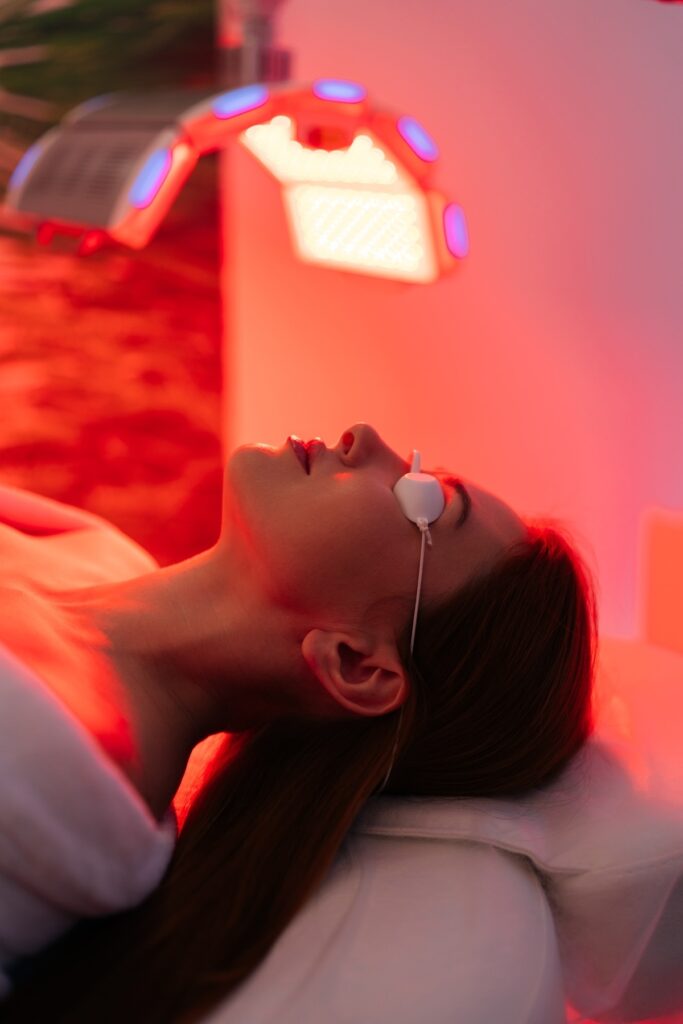
Advanced light-based therapy
for healthier skin.
Photodynamic Therapy is a highly effective treatment that uses a specialized light-activated solution to target and eliminate precancerous skin cells, sun damage, and stubborn acne—restoring clearer, healthier skin with minimal downtime.
What Is Photodynamic Therapy?
PDT involves applying a photosensitizing solution to the skin, which is then activated by a specific wavelength of light. This process selectively destroys abnormal or damaged cells while preserving surrounding healthy tissue.
Conditions Treated
- Actinic keratoses (precancerous sun spots)
- Sun-damaged skin
- Acne and oily skin
- Redness and uneven skin tone
Benefits of Photodynamic Therapy
- Targets precancerous lesions before they progress
- Improves skin texture and clarity
- Reduces acne-causing bacteria and oil production
- Non-invasive with minimal recovery time
Dr. Harold Lancer and his team are renowned for their artistry in skin rejuvenation. Photodynamic therapy at Lancer Dermatology provides natural results in an exclusive Rodeo Drive environment.

You're In Good Hands with Dr. Lancer.
-
Board-certified dermatologist; founder of Lancer Dermatology (est. 1983, Beverly Hills)
-
40+ years delivering individualized medical, surgical, and cosmetic dermatology
-
Known for the Lancer Method® and patient-specific Ancestry Scale approach
-
Trusted by high-profile patients worldwide for natural-looking rejuvenation
-
Treats acne, aging, skin cancers, and complex dermatologic conditions
Frequently Asked Questions
What skin conditions does PDT treat?
PDT is most commonly used for actinic keratoses, sun-damaged skin, stubborn acne, and uneven tone.
Is the treatment safe?
Yes. PDT is FDA-approved and designed to target only abnormal or damaged skin cells, leaving healthy tissue unharmed.
What does the procedure feel like?
Patients may feel warmth, tingling, or mild stinging as the light activates. Any discomfort is temporary and manageable.
Is there downtime after treatment?
Some redness, peeling, or sensitivity to sunlight is common for a few days. Patients must avoid sun exposure during healing.
How many treatments will I need?
The number of sessions depends on your condition. Many patients achieve noticeable results after 1–3 treatments.