Med Spa vs Dermatologist: What to Ask Before Lasers or Fillers
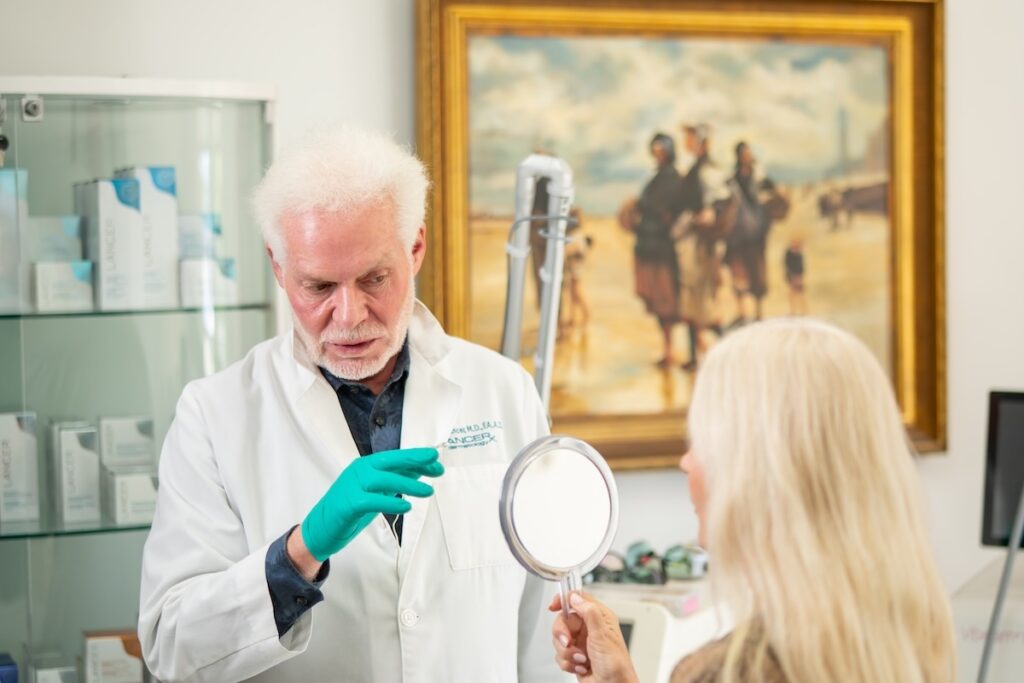
If you’re considering a laser, radiofrequency treatment, or injectable, the most important step happens before the first pulse of energy or the first needle.
Not the promo. Not the package deal. Not the “before-and-after” photos.
The real safety checkpoint is this: Who is responsible if something doesn’t go as planned—and what is the plan to fix it?
Before any laser or needle, ask this: Who handles complications on-site?
Cheap can get expensive fast—your face deserves a team that does this all day, every day.
Ready to do it right the first time? Call Dr. Lancer’s office at (310) 278-8444 to book your personalized consultation.
Save this for your next treatment & share with a friend who needs to see it.
#SkinSafety #CosmeticDermatology #LaserTreatments #Aesthetics #Dermatologist #MedSpa #RFmicroneedling #SkincareTips #BoardCertifiedDermatologist #FacialAesthetics
#lancerderm


Med Spa vs Dermatologist: The Real Difference
A med spa is typically focused on cosmetic services. Many do excellent work for select, straightforward treatments—especially when there’s strong medical oversight and experienced providers.
A dermatology practice, on the other hand, is built around medical skin expertise. Dermatologists are trained to evaluate skin health, choose appropriate treatments for your skin type and history, and manage complications when they occur.
The big takeaway: Cosmetic treatments can still be medical in nature. Lasers and injectables aren’t “just facials”—they can affect living tissue, blood vessels, pigment, and healing.
Why “Minimally Invasive” Still Deserves Maximum Caution
Many popular treatments fall into a category that’s often described as minimally invasive, including:
- Lasers (for pigment, redness, texture, hair reduction, resurfacing)
- Energy-based devices (like radiofrequency and other tightening technologies)
- Injectables (neuromodulators and dermal fillers)
These can be safe and effective in the right hands—but they can also cause issues such as:
- Burns or blistering
- Prolonged redness or swelling
- Post-inflammatory hyperpigmentation (dark marks)—especially in deeper skin tones
- Scarring (rare, but possible)
- Infection (uncommon, but possible)
- Vascular complications with filler (rare, but serious)
That’s why you should never feel uncomfortable asking: “What’s your protocol if something goes wrong?”
When a Med Spa May Be Fine (and When It’s Not)
Med spa may be reasonable for:
- Simple maintenance or touch-ups
- Lower-intensity treatments with predictable recovery
- Clients with stable skin and no major medical skin concerns
(especially when a qualified medical professional is actively supervising care)
Consider a dermatologist for:
- Complex or multi-session laser plans
- Higher-intensity energy devices
- Treating pigment issues (melasma, stubborn discoloration)
- History of scarring, keloids, or difficult healing
- Sensitive skin conditions (rosacea, eczema, acne flares)
- Any injectable treatment where safety planning matters
If a treatment requires multiple sessions, layering devices, or precise settings, provider skill and medical judgment become even more important.
The 7 Safety Questions to Ask Before Any Laser or Needle
Bring this list to your consult—any reputable practice should be able to answer clearly.
- Who will actually perform my treatment?
(And what specific training and experience do they have with this device/product?) - What complications do you see most often—and how do you manage them?
Look for calm, specific answers—not defensiveness. - What is your protocol for burns or blistering?
You want a clear plan, not vague reassurance. - What is your protocol for filler complications?
Even though serious issues are rare, preparedness matters. - How do you choose settings for my skin tone and skin history?
This is critical if you’re prone to hyperpigmentation. - What aftercare do you recommend—and who do I contact after hours?
Healing support should be part of the package. - If I have a problem, can your office handle it here—or will you refer me out?
Referrals can be appropriate, but you should know the plan before treatment.
“Cheap Can Be Expensive”
It’s tempting to choose a deal—especially for popular treatments that feel routine.
But if a complication occurs, the real cost can include:
- Extra visits and products
- Missed work or social downtime
- Corrective treatments
- Lingering pigment changes or texture issues
The goal isn’t to be fearful—it’s to be smart. Know the plan, then book.
Dr. Lancer’s Take
In my practice, I want patients to feel informed and protected—not rushed into a decision. Any time we’re using a laser, energy device, or injectable, I believe the conversation should include more than benefits. We discuss who the treatment is best for, what the realistic recovery looks like, and what we would do if your skin reacts unexpectedly. The right provider isn’t just someone who can perform the procedure—it’s someone who can guide you through the full process, including aftercare and problem-solving if you need it.