Skin Texture 101: Why Your Skin Feels “Bumpy” (and What to Do About It)
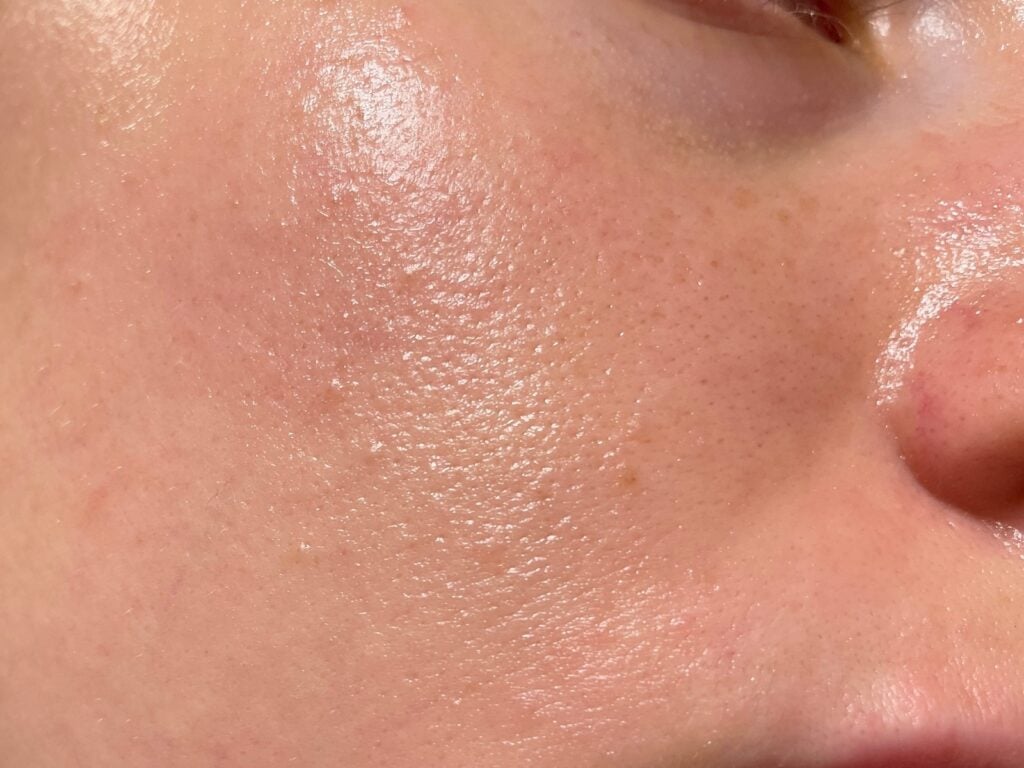
If you’ve ever looked in the mirror and thought, “Why does my skin look uneven even when I’m not breaking out?” — you’re not alone.
“Skin texture” is one of those catch-all phrases people use for everything from visible pores to rough patches to little bumps that won’t budge. The tricky part is this: different textures have different causes, so they don’t all respond to the same products.
Let’s break down the most common types of texture (in plain English), how to spot yours, and what actually helps.
Skin “texture” isn’t one thing — it’s a clue.
Most people fall into one (or a combo) of these:
1. Enlarged pores (often genetic + look bigger with oil/congestion)
2. Congested/bumpy texture (clogged pores, flares with heavy products)
3. Dehydrated texture (dull, tight, fine surface lines)
4. Rough dead-skin buildup (grainy, makeup won’t sit right)
Comment 1–4 (or “combo”) and tell me oily/dry/combination — I’ll reply with the first step to start improving it.
Want a personalized plan? Book a consult via link in bio.
Follow @lancerderm for derm-level skincare breakdowns.
#glowingskin #skinconcerns #medicalaesthetics #lancerderm #losangelesderm


First: What does “texture” really mean?
Texture is basically the surface quality of your skin — how smooth (or not smooth) it looks and feels. It can change with:
- Oil production
- Clogged pores
- Dead skin buildup
- Dehydration and a weakened skin barrier
- Acne, irritation, and inflammation
- Genetics (yes, especially with pores)
Most people have a combination, which is why copying a random routine online can backfire fast.
The 4 most common types of skin texture
1) Enlarged-looking pores
What it looks like: visible “dots” or openings, usually on the nose, cheeks, and forehead.
What it feels like: often not bumpy, more like a visual pattern.
What’s really going on: Pore size is heavily influenced by genetics, but oil + congestion can make pores look larger.
What helps:
- Consistent sunscreen (UV damage affects collagen support around pores)
- Oil-balancing ingredients (like niacinamide)
- Gentle exfoliation (especially BHA/salicylic acid if you’re oily or clog-prone)
- Retinoids (a long-term texture MVP when used correctly)
What to avoid: harsh scrubs and aggressive pore strips that leave skin irritated (and often more textured afterward).
2) Congested / bumpy texture (clogged pores)
What it looks like: tiny bumps, “sandpaper” areas, closed comedones, unevenness under the skin.
What it feels like: bumpy, especially on the forehead, chin, and cheeks.
What’s really going on: Dead skin + oil + product buildup can trap debris in pores.
What helps:
- A cleanser that removes oil without stripping
- Salicylic acid (BHA) a few times a week (not five new acids at once)
- A retinoid routine that you build slowly
- Making sure your moisturizer and makeup aren’t too heavy for your skin
What to avoid: piling on “acne products” all at once. Over-drying can trigger more oil and irritation — and the texture gets worse.
3) Dehydrated texture (the “my skin looks crepey but I’m not dry” feeling)
What it looks like: dullness, fine surface lines, makeup that clings, tightness.
What it feels like: tight, sensitive, easily irritated.
What’s really going on: Dehydration is about water, not oil. You can be oily and dehydrated — especially if you’ve been over-exfoliating or using harsh actives.
What helps:
- Barrier-repair moisturizer (ceramides are your friend)
- Hydrating serums (hyaluronic acid, glycerin)
- Scaling back exfoliation temporarily
- Gentle cleansing (hot water and foaming cleansers can be sneaky triggers)
What to avoid: using more acids to “scrub away” texture when the issue is actually a compromised barrier.
4) Roughness from dead skin buildup
What it looks like: flaky patches, dull tone, uneven reflection (skin doesn’t look “glowy”).
What it feels like: rough, sometimes patchy.
What’s really going on: Your skin naturally sheds dead cells. When that shedding slows down or gets “sticky,” dead skin hangs around and creates a rough surface.
What helps:
- Gentle chemical exfoliation (AHAs like lactic/glycolic — but not daily for most people)
- A consistent moisturizer
- Avoiding overly hot showers and harsh cleansing
What to avoid: aggressive physical scrubs that create micro-irritation and inflammation (which can make texture more noticeable).
The easiest way to figure out your texture type
Ask yourself:
- Does it feel bumpy or just look patterned?
- Look patterned = pores
- Feel bumpy = congestion or buildup
- Is your skin tight/sensitive lately?
- Yes = dehydration/barrier issue might be the main driver
- Do you notice flakes or rough patches?
- Yes = dead skin buildup
And remember: it can be a combo. Many people are dealing with pores + congestion + dehydration all at once.
A simple “texture reset” that works for most people
If you feel overwhelmed, start here. Texture improves best with boring consistency, not constant product switching.
The non-negotiables:
- Gentle cleanser
- Moisturizer you’ll actually use daily
- Broad-spectrum sunscreen every morning
Then add ONE targeted step (based on your texture):
- Congestion/oily pores → salicylic acid (BHA) 2–3x/week
- Roughness/dullness → AHA 1–2x/week
- Dehydration/sensitivity → barrier repair + hydration (skip acids for a bit)
- Long-term smoothing + pores + acne → retinoid (slow introduction is key)
If you try to fix everything at once, irritation usually wins — and irritation almost always shows up as… you guessed it: more texture.
When it’s time to see a dermatologist
If you’ve been consistent for 8–12 weeks and texture isn’t budging, or if you’re dealing with stubborn bumps, acne, scarring, redness, or sensitivity, it’s worth getting expert eyes on it.
Because sometimes what looks like “texture” is actually:
- Persistent comedonal acne
- Rosacea-related inflammation
- A damaged barrier from over-treatment
- The wrong product mix for your skin type
- An issue that needs in-office treatments to truly move the needle
Ready for smoother skin? Make an appointment with Dr. Lancer in Beverly Hills.
If you’re tired of guessing, wasting money on trendy routines, or feeling like your skin is “always almost there,” this is exactly what we help with.
At Lancer Dermatology in Beverly Hills, we don’t do one-size-fits-all skincare. We’ll identify your texture type (and your exact combination of concerns), build a plan that fits your real life, and recommend the right mix of at-home care and in-office treatments to get you to noticeably smoother, healthier-looking skin.
Schedule your appointment with Dr. Lancer today and let’s create a personalized texture plan that actually works — for your skin, your goals, and your timeline.