At-Home Microneedling: Why Dermatologists Urge Caution (and What to Do Instead)
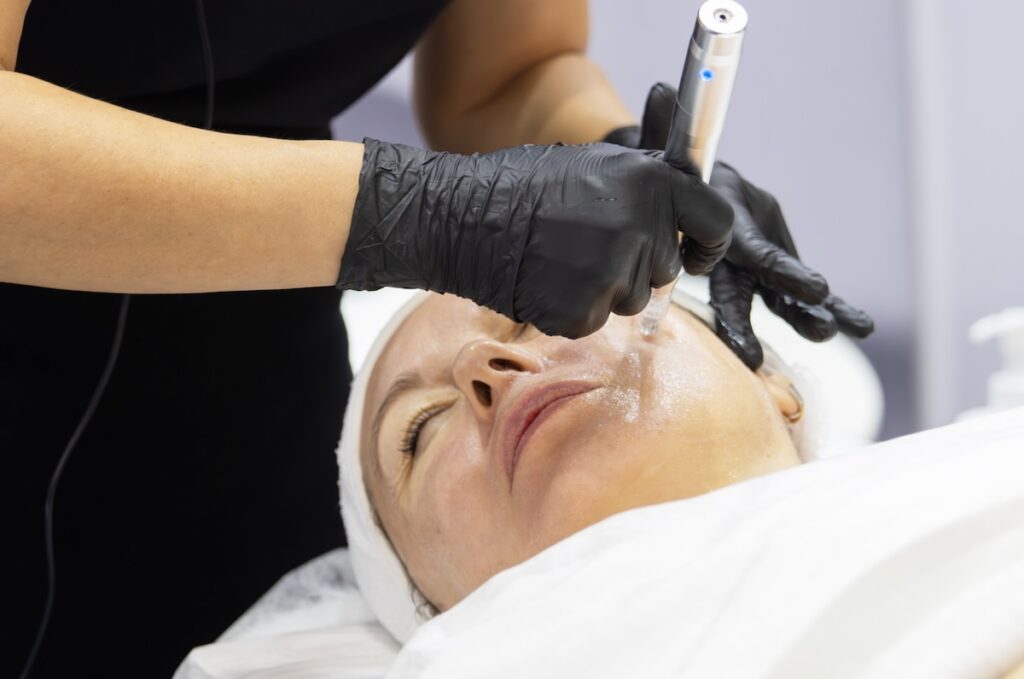
Microneedling has earned its reputation for improving skin texture, softening the look of acne scars, refining pores, and boosting overall radiance. When performed correctly, it can be an excellent tool in aesthetic dermatology.
But there’s an important distinction many people don’t realize until something goes wrong:
Professional microneedling is a controlled medical procedure.
DIY microneedling is often uncontrolled skin injury.
If you’ve been considering microneedling at home, this guide breaks down what microneedling actually does, why at-home devices come with real risks, and what safer options can help you reach your skin goals.
Derm PSA: Microneedling is not a casual “at-home facial.”
It’s a procedure — and when it’s done incorrectly, it can create problems that take months to reverse.
The reason in-office microneedling works isn’t magic. It’s control:
✅ controlled depth
✅ medical-grade sterility
✅ appropriate candidates
✅ structured aftercare
DIY microneedling removes a lot of that control — and that’s where I see the same complications again and again:
• inflammation that lingers (redness, irritation, “why is my skin worse?”)
• post-inflammatory hyperpigmentation (especially in melasma-prone skin tones)
• acne flare-ups (needling over active breakouts can spread bacteria/inflammation)
• infection risk (skin is an entry point — the device doesn’t need to look “dirty” to cause an issue)
And a quick note on numbing creams: using them incorrectly (too much, too long, too often) is not harmless.
If you’re considering microneedling, a smarter question than “Can I do it at home?” is:
Am I the right candidate — and do I have the right protocol?
Comment “MICRONEEDLE” and tell me your goal (scars / pores / fine lines / texture). I’ll tell you what actually makes sense — and what I’d avoid.


What microneedling actually does
Microneedling creates tiny, controlled micro-injuries in the skin. This signals the body to begin a repair response that can lead to:
- Increased collagen and elastin over time
- Smoother-looking texture
- Improved appearance of acne scars (in the right candidates)
- More even tone and glow
The key phrase is controlled. The benefits depend on multiple variables being managed properly—especially needle depth, technique, sterility, and aftercare.
Why at-home microneedling is risky
At-home rollers, stamps, and pens are often marketed as “simple,” “safe,” and “just like in-office.” In reality, the risk profile changes significantly outside a medical setting.
1) Sterility is more complicated than most people think
Microneedling temporarily disrupts the skin barrier, which is your primary defense system. Even small lapses in hygiene can increase the risk of:
- Bacterial infection
- Folliculitis (“infected bumps”)
- Prolonged inflammation and irritation
- Flare-ups of acne or rosacea
“Clean” is not the same as sterile. And once the skin is punctured, it becomes far more vulnerable than usual.
2) Incorrect depth and technique can cause pigment and scarring
Needle depth isn’t a guess—it’s chosen based on skin thickness, location, goal, and skin type. The wrong depth (or uneven pressure) can lead to:
- Post-inflammatory hyperpigmentation (PIH)
- Worsening redness and sensitivity
- Persistent texture changes
- Scarring, especially in those prone to keloids or hypertrophic scars
This is one of the biggest concerns for anyone with a history of hyperpigmentation or melasma.
3) Certain skin conditions should not be microneedled at home
Microneedling isn’t appropriate for everyone at every time. At-home devices often get used despite red flags such as:
- Active acne (needling can worsen inflammation and spread bacteria)
- Eczema or dermatitis flares
- Rosacea flares
- Compromised barrier (tight, stinging, peeling, over-exfoliated skin)
- Melasma-prone skin (inflammation can worsen pigment)
Professional assessment matters because microneedling is not the right first-line approach for every concern.
4) Numbing creams can be misused—and that can be dangerous
Many at-home routines include topical anesthetics. Misuse can happen when products are applied:
- Over large areas
- Too thickly
- Under occlusion (covered)
- For longer than directed
- Too frequently
Topical anesthetics can cause irritation and, in rare cases, serious systemic effects if used incorrectly. This is one reason dermatologists are cautious when “DIY microneedling tutorials” include numbing steps without medical guidance.
5) Aftercare mistakes are common
After microneedling, your skin is more reactive. Applying the wrong products can intensify inflammation and increase the chance of pigment issues. Common mistakes include:
- Using acids/retinoids too soon
- Applying fragranced products
- Sweating heavily right after treatment
- Skipping strict sunscreen use
Aftercare isn’t optional—it’s part of the treatment.
Who is most likely to have complications from DIY microneedling?
While anyone can react poorly, caution is especially important if you:
- Develop dark marks easily after pimples or irritation
- Have melasma or a history of stubborn hyperpigmentation
- Have active acne breakouts
- Have sensitive/reactive skin or rosacea
- Are prone to raised scars (keloids/hypertrophic scarring)
- Have a compromised barrier (stinging, tightness, peeling)
If any of these apply, professional guidance is strongly recommended.
Safer alternatives to at-home microneedling (that still help)
If your goal is glow, texture, pores, or early lines, you can often get meaningful improvement with a safer plan.
For texture + radiance
- A consistent routine with gentle exfoliation (used correctly)
- Vitamin C in the morning (if tolerated)
- Barrier-supporting moisturizers (ceramides, glycerin, etc.)
- Daily broad-spectrum sunscreen
For acne scars and uneven texture
- Professional options like medical microneedling or RF microneedling
- Fractional laser or other resurfacing treatments when appropriate
- Scar-specific approaches based on scar type (rolling vs. icepick vs. boxcar)
For hyperpigmentation or melasma
- A pigment-safe plan that prioritizes inflammation control
- Targeted topicals and strict sun protection
- In-office treatments chosen carefully for your skin type
For enlarged pores + oiliness
- A tailored approach that may include retinoids, niacinamide, and oil-control strategies
- Procedures that match your skin’s tolerance (not a one-size-fits-all device)
If you’re determined to microneedle, here’s the smarter approach
If microneedling is the right tool for your goals, the safest path is to do it under professional care, where we can:
- Choose the correct needle depth for your concern and skin type
- Ensure proper hygiene and reduce infection risk
- Decide if you’re a good candidate (or if another treatment is better)
- Guide aftercare to minimize irritation and pigment issues
- Combine microneedling with complementary treatments when appropriate
Professional microneedling is about precision, not just “needling the skin.”
Bottom line
Microneedling can be effective—but the way it’s done matters as much as the fact that it’s done. At home, it’s easy to unintentionally trade “glow” for inflammation, pigment problems, or infection.
If your goal is smoother texture, fewer scars, refined pores, or healthier-looking skin, you don’t need to gamble. You need a plan that matches your skin.
Ready for a personalized approach?
If you’re considering microneedling (or you’ve tried it and your skin didn’t respond well), our team can help you choose the safest and most effective path based on your goals and skin type.
Schedule a consultation to discuss your concerns and build a treatment plan designed for long-term results.