Does Sunscreen Block Vitamin D? A Beverly Hills Dermatologist Explains
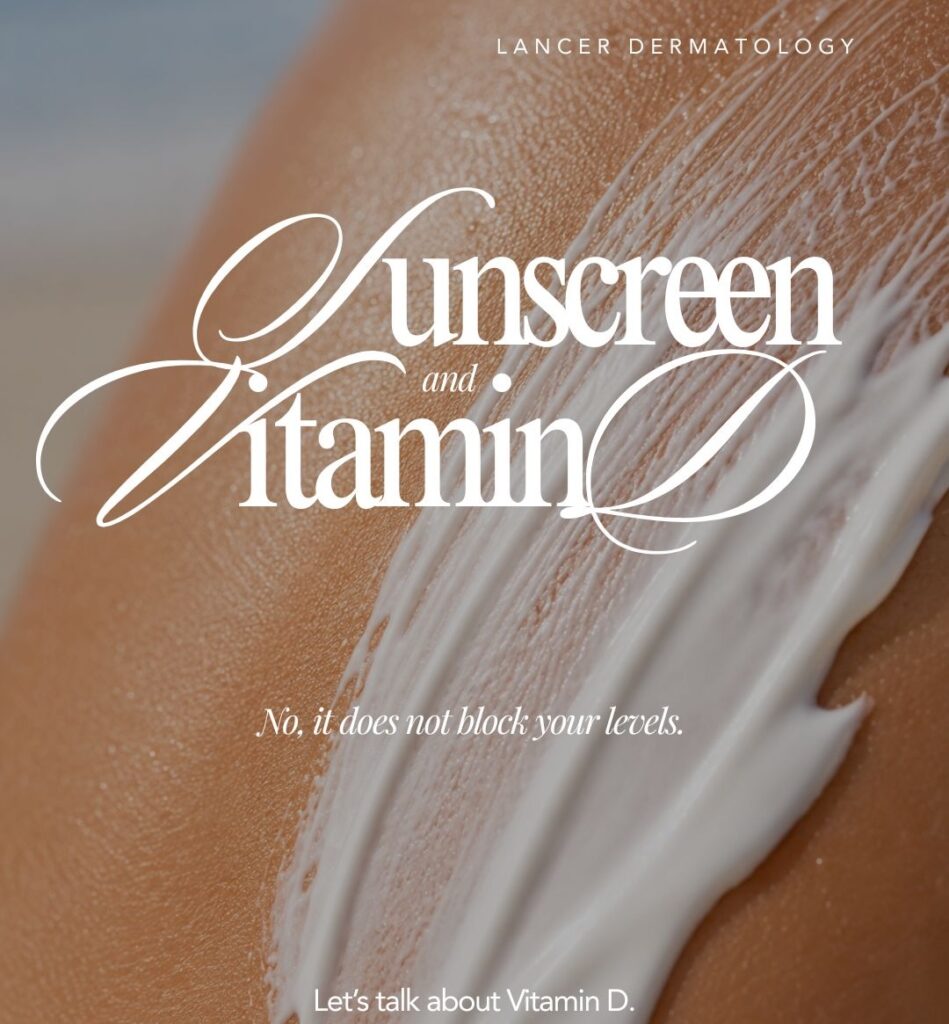
Does Sunscreen Block Vitamin D? What You Need to Know
May is Skin Cancer Awareness Month, and it is the perfect time to talk about one of the most common sunscreen myths: the idea that wearing sunscreen every day will prevent your body from getting enough Vitamin D.
It is an understandable concern. Vitamin D plays an important role in overall health, and sunlight is one way the body can produce it. But that does not mean skipping sunscreen is a safe or necessary strategy.
In fact, when it comes to protecting your skin from premature aging, sun damage, dark spots, and skin cancer, daily sun protection is one of the most important habits you can build.
May is Skin Cancer Awareness Month, which is why we’re spending extra time this month talking about sunscreen, sun protection, and the myths that can keep people from protecting their skin consistently.
One we hear often:
“Will wearing sunscreen every day block my Vitamin D?”
The simple answer: you do not need to skip sunscreen to support healthy Vitamin D levels.
While Vitamin D is important, intentional UV exposure is not the safest or most reliable way to manage it. Skipping sunscreen can lead to more cumulative UV damage over time, including premature aging, dark spots, collagen breakdown, and increased skin cancer risk.
If you are concerned about your Vitamin D levels, speak with your physician about testing and supplementation. That is a much safer approach than leaving your skin unprotected.
Your future skin will thank you.
Save this post for later, and if you need help finding a sunscreen you’ll actually wear every day, schedule an appointment with us for personalized recommendations.
#skincancerawarenessmonth #sunscreeneveryday #vitamind #dermatologist #skincare


Why People Worry About Sunscreen and Vitamin D
Vitamin D is sometimes called the “sunshine vitamin” because the body can make it when UVB rays from sunlight reach the skin. That is where the confusion begins.
Because sunscreen is designed to reduce UV exposure, many people assume it completely blocks Vitamin D production. In theory, perfectly applied sunscreen can reduce the amount of UVB that reaches the skin. But real life is not a laboratory.
Most people do not apply sunscreen perfectly. Many apply too little, miss certain areas, forget to reapply, or get small amounts of incidental sun exposure throughout the day. Because of this, typical daily sunscreen use has not been shown to completely eliminate Vitamin D production.
The more important takeaway is this: you do not need to skip sunscreen in order to support healthy Vitamin D levels.
The Bigger Concern: UV Damage Adds Up
While Vitamin D matters, intentional unprotected sun exposure comes with real risks.
UV exposure is cumulative, meaning the damage builds over time. Even when you do not burn, UV rays can contribute to visible and invisible changes in the skin, including:
- Premature aging
- Fine lines and wrinkles
- Dark spots and uneven pigmentation
- Collagen breakdown
- Sunburn
- Precancerous changes
- Increased skin cancer risk
This is why dermatologists consistently recommend daily sun protection. The American Academy of Dermatology notes that protecting your skin from the sun can reduce the risk of skin cancer, sunburn, and premature skin aging.
So, Should You Get Vitamin D From the Sun?
For most people, intentionally seeking UV exposure is not the safest or most reliable way to manage Vitamin D.
Vitamin D levels can vary based on many factors, including age, skin tone, diet, location, season, medical history, and how much time you spend outdoors. The NIH Office of Dietary Supplements notes that while sunscreen can limit Vitamin D production, health experts still recommend sunscreen when you are out in the sun for more than a few minutes because ultraviolet radiation can cause skin cancer.
If you are worried about your Vitamin D, the safest next step is not to stop wearing SPF. It is to speak with your physician about a 25-hydroxyvitamin D blood test and whether dietary changes or supplementation may be appropriate for you.
That gives you actual information instead of guessing.
How to Protect Your Skin Without Overcomplicating It
A strong sun protection routine does not need to be complicated. Start with the basics:
Use a broad-spectrum sunscreen every morning. Choose at least SPF 30 for daily use, especially if you will be outdoors. Apply enough product to cover exposed skin, and reapply every two hours when outside, sweating, or swimming.
Sunscreen is only one part of the picture. Hats, sunglasses, UPF clothing, shade, and avoiding peak sun hours can all help reduce unnecessary UV exposure.
And most importantly, choose a sunscreen you will actually wear. The “best” sunscreen is not the one that sits untouched in your cabinet. It is the one that feels good enough for you to use consistently.
When to See a Dermatologist
If you have a history of sun damage, frequent sun exposure, changing spots, pigmentation concerns, or you are unsure which sunscreen is right for your skin, it is worth speaking with a dermatologist.
A personalized sunscreen recommendation can make a big difference. The right formula depends on your skin type, lifestyle, sensitivity, cosmetic preferences, and any existing skin concerns, such as melasma, acne, rosacea, or post-inflammatory hyperpigmentation.
At Lancer Dermatology in Beverly Hills, Dr. Lancer helps patients take a thoughtful, customized approach to skin health, prevention, and long-term skin quality.
Your Skin Is Worth Protecting
Sunscreen is not about avoiding the sun completely. It is about protecting your skin from unnecessary damage while still living your life.
You can support healthy Vitamin D levels without sacrificing your skin’s future. You can enjoy time outdoors while being smart about protection. And you can build a daily routine that feels realistic, elegant, and sustainable.
This Skin Cancer Awareness Month, let sunscreen be one of the simplest ways you care for your skin every day.