Male Hair Loss: What’s Normal, What’s Not, and What Actually Works
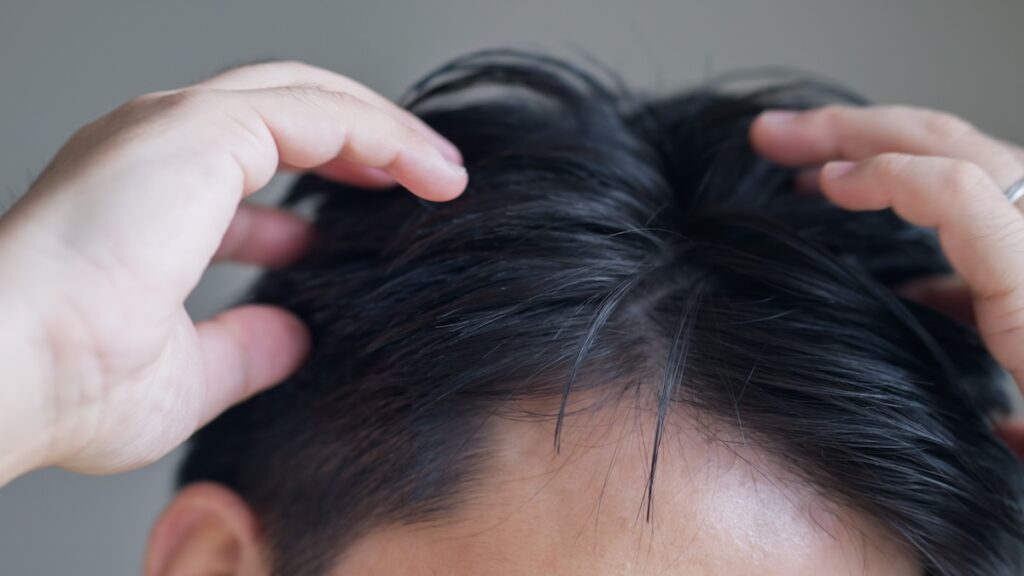
Noticing a receding hairline, thinning at the crown, or a “see-through” scalp can feel like it happened overnight. In reality, most male hair loss is gradual—and because it’s gradual, it’s easy to dismiss until it becomes harder to ignore.
The good news: many cases of male hair loss are treatable, and the earlier you understand what’s happening, the more options you have to slow progression and preserve density.
Hair loss isn’t an “older men only” issue—we see it in patients as young as the mid-teens. And it doesn’t always show up the way people expect.
Two common ways thinning presents:
1. Reduced density (less hair overall)
2. Miniaturization (the strands become finer over time—even if you’re not shedding much)
This is why waiting until you can “really tell” can be frustrating. The earlier we identify what pattern you’re experiencing—and what may be contributing—the easier it is to build a plan that helps protect what you have and slow progression.
If you’re noticing more scalp showing, a widening part, thinning at the temples, or increased shedding, don’t wait.
Schedule a hair-loss consultation so we can evaluate your scalp + hair and map out the most appropriate options for you.
Comment what you’re noticing most: shedding, thinning, or hairline changes?
#hairloss #thinninghair #scalpcare #alopecia #hairhealth


First, let’s define what “hair loss” really looks like
A common misconception is that hair loss only means lots of shedding. Shedding can be part of it, but in dermatology we often see a different process happening beneath the surface:
1) Reduced density
This is when there is simply less hair overall in a given area—more scalp visibility, a wider part, or thinner coverage at the temples or crown.
2) Miniaturization
This is the hallmark of classic male pattern hair loss. The hair follicle gradually produces finer, shorter, weaker strands over time. You may not see dramatic shedding, but you’ll notice:
- a shrinking hairline
- thinning at the crown
- a smaller ponytail or less “bulk” when styling
- hair that seems harder to grow longer or looks less full
Understanding the difference matters, because miniaturization requires a different strategy than a temporary shed.
The most common cause: Androgenetic alopecia (male pattern hair loss)
Male pattern hair loss—also called androgenetic alopecia—is the most frequent type of hair thinning in men. It’s influenced by genetics and hormones (specifically how your follicles respond to androgens like DHT). Over time, susceptible follicles shrink and produce thinner strands until growth is significantly reduced.
It typically shows up as:
- temple recession (an “M” shape)
- thinning at the crown
- or a combination of both
Importantly, it can begin earlier than most people expect—even in the late teens or twenties.
Not all hair loss is male pattern hair loss
One of the biggest mistakes people make is assuming every change is “just genetics.” Several conditions can look similar at first glance, but need different treatment:
Telogen effluvium (stress-related shedding)
This is a temporary shedding pattern that can follow:
- illness, fever, surgery
- major stress
- significant weight change
- starting/stopping certain medications
- nutritional deficiencies
It often presents as diffuse shedding (hair coming out more easily, more hair in the shower). The key difference: telogen effluvium is often reversible once the trigger is addressed—though it can also occur on top of early male pattern hair loss.
Alopecia areata
This is an autoimmune form of hair loss that can cause sudden patchy loss (sometimes in the beard). It often benefits from medical treatment early.
Scalp inflammation or scarring forms of alopecia
Persistent scalp itching, burning, tenderness, thick scale, or “pimples” along the scalp can signal inflammation that may contribute to shedding and thinning. Some inflammatory/scarring alopecias require prompt diagnosis to protect follicles.
If you’re not sure what type you’re dealing with, that’s exactly where a dermatology evaluation becomes valuable.
How we evaluate male hair loss in dermatology
A proper evaluation is more than a quick look at the hairline. In a hair-focused visit, we assess:
- pattern and distribution of thinning
- hair shaft caliber variability (a key sign of miniaturization)
- scalp health (inflammation, scale, follicle changes)
- timeline (gradual vs sudden)
- family and medical history
- potential triggers for shedding
Sometimes labs are appropriate—especially if shedding is significant, sudden, or accompanied by other symptoms. The goal is to identify what’s driving the changes so treatment isn’t guesswork.
What actually works for male hair loss
There is no single “magic” solution, but there are evidence-based options. The best plan is personalized—based on your pattern, goals, and comfort level with different treatments.
1) Treatments that slow progression
For male pattern hair loss, a core goal is to reduce the signal that causes miniaturization and preserve follicles.
A dermatologist can discuss prescription options and whether you’re a good candidate, including benefits, risks, and what to expect.
2) Treatments that support regrowth
Some therapies focus on improving growth cycle support and hair caliber over time. This often includes topical options and (in some cases) carefully selected oral approaches. Consistency is key.
3) In-office options to support density
Depending on your situation, in-office treatments may be part of a broader plan. These can be especially helpful for people who want a more comprehensive approach or who are trying to maximize results alongside at-home therapy.
4) Scalp health matters more than most people think
Inflammation, dandruff, and chronic irritation can worsen shedding and compromise the scalp environment. A customized scalp routine may include medicated shampoos or targeted anti-inflammatory care when needed.
5) Lifestyle factors that protect your baseline
Lifestyle isn’t the primary cause of male pattern hair loss, but it can influence shedding and scalp health. Helpful foundations include:
- adequate protein intake
- addressing iron or vitamin deficiencies when present
- managing stress and sleep
- avoiding harsh traction hairstyles or aggressive scalp picking
The goal is to remove preventable contributors so your treatment plan can work more effectively.
How long does it take to see results?
Hair grows slowly, and meaningful change takes time. In general:
- Early improvements can be subtle (less shedding, better styling, improved texture)
- Visible density changes often take several months
- Progress is best measured with consistent photos in the same lighting and angle
One important mindset shift: for many men, success includes slowing progression and protecting what you have—not just dramatic regrowth.
When you should book a hair loss evaluation
Consider scheduling an evaluation if you notice:
- widening temples or crown thinning
- increased scalp visibility in photos
- a persistent change in hair density or texture
- shedding that lasts longer than a few months
- scalp symptoms (itching, burning, flaking, tenderness)
- sudden patches of loss in the scalp or beard
Catching changes early typically gives you the most flexibility in choosing a plan.
The bottom line
Male hair loss is common, but it isn’t something you have to “just accept” without understanding your options. The most effective approach starts with clarity: What type of hair loss is this, what’s driving it, and what plan fits your goals?
Ready for a plan that’s tailored to you?
If you’re noticing thinning—whether it’s subtle or more advanced—don’t wait until it feels “bad enough.” The earlier we evaluate your scalp and hair pattern, the more we can do to help preserve density and support healthier growth over time.
Schedule a hair-loss consultation at Lancer Dermatology to get a clear diagnosis and a personalized treatment strategy designed around your needs and comfort level.