Perimenopause, Menopause, and Postmenopause Skin Changes: What’s Really Happening to Your Skin
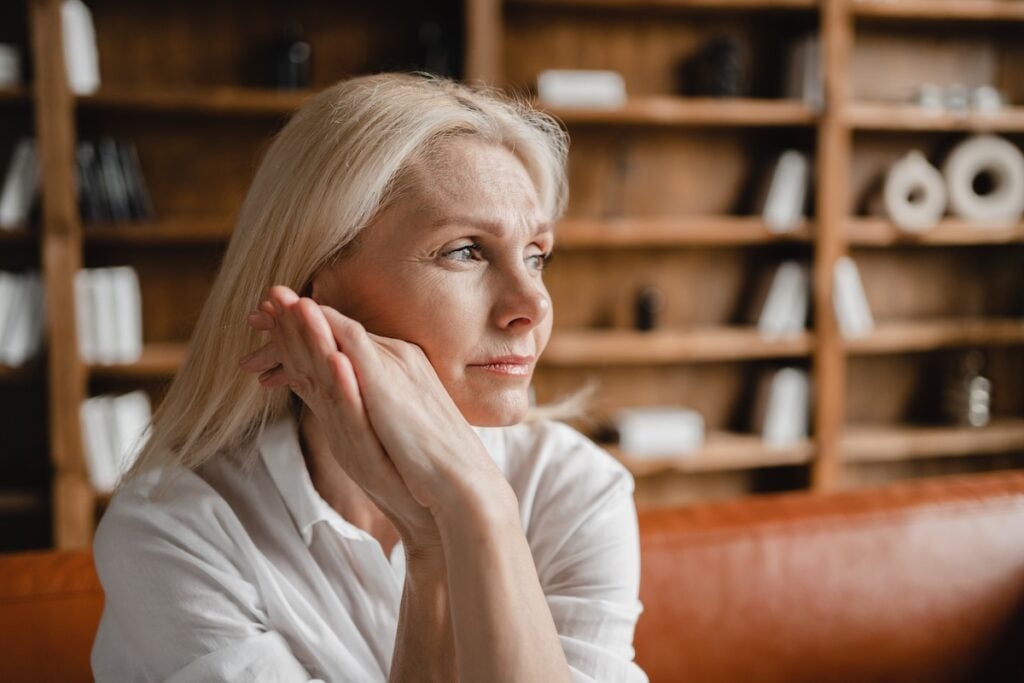
Most conversations about menopause skin make it sound like one simple thing happens: your hormones change, your skin gets dry, and that’s that.
But the reality is more layered.
Perimenopause, menopause, and postmenopause are different stages, and your skin can behave differently in each one. Some women notice sudden dryness. Others feel like their skin is oily one week and irritated the next. Breakouts may return after years of clear skin. Fine lines may seem more visible. Products that used to work beautifully may suddenly sting, pill, or feel like they are doing nothing.
If your skin has started to feel unfamiliar, you are not imagining it.
Hormonal changes can affect the skin’s hydration, collagen support, elasticity, barrier function, and healing response. The American Academy of Dermatology notes that after menopause, skin can become drier, thinner, and less firm as hormone levels decline.
Most conversations about menopause skin treat the entire hormonal transition like one event.
It is not.
Perimenopause, menopause, and postmenopause can each affect the skin differently because the hormonal environment is different at each stage.
During perimenopause, estrogen may fluctuate unpredictably. Skin can cycle between oily and dry, breakouts can return, sensitivity can increase, and early firmness changes may become more noticeable.
During menopause, estrogen reaches a more sustained low level. This is often when dryness, collagen loss, thinning, sensitivity, and slower healing become more visible.
During postmenopause, the skin adapts to a new hormonal baseline, but cumulative changes continue over time.
This does not mean you need to panic or overhaul everything.
It means your skincare should evolve with your skin.
Barrier repair, SPF, carefully introduced retinoids, hydration support, and dermatologist-guided treatments can all play a role depending on your skin, goals, and medical history.
Save this if your skin has started feeling different — and book a consultation if you want help building a plan that actually matches the stage your skin is in. The link to book is in our bio.
#MenopauseSkin #Perimenopause #SkincareOver40 #Dermatology #HealthyAging


Why Hormones Affect the Skin
Your skin is not separate from the rest of your body. It responds to internal changes, including shifts in estrogen.
Estrogen plays an important role in helping the skin maintain moisture, thickness, elasticity, and collagen support. When estrogen fluctuates or declines, the skin may have a harder time holding water, maintaining firmness, and repairing itself efficiently. Dermatology research has linked postmenopausal estrogen decline with epidermal thinning, reduced skin moisture, decreased collagen, laxity, and impaired wound healing.
That does not mean every skin change after 40 is automatically hormonal. Sun exposure, genetics, stress, medications, medical conditions, skincare habits, and lifestyle all play a role too. But hormones are often an important piece of the puzzle, especially when changes seem to happen suddenly or your usual routine stops making sense.
Perimenopause: The Fluctuation Phase
Perimenopause is the transition leading up to menopause. It often begins in the 40s, although it can start earlier for some women. This stage can last several years.
From a skin perspective, perimenopause can feel unpredictable.
That is because estrogen is not simply “low” yet. It may fluctuate. For the skin, that variability can show up in frustrating ways:
- Dryness one week, oiliness the next
- Breakouts returning after years of clear skin
- Increased sensitivity
- Dullness or rougher texture
- Early changes in firmness
- Skin that feels reactive for no obvious reason
This is the stage where many women say, “My skin just isn’t acting like itself.”
And that makes sense. Perimenopausal skin is often adapting to hormonal ups and downs rather than a steady new baseline.
Menopause: The More Sustained Shift
Menopause is officially defined as 12 consecutive months without a menstrual period. For many women, this happens around the early 50s, though timing varies.
At this stage, estrogen levels are generally lower in a more sustained way. That shift can make certain skin changes more noticeable.
Common menopause-related skin concerns may include:
- More persistent dryness
- Thinner-looking skin
- Less firmness
- More visible fine lines
- Increased sensitivity
- Slower recovery after irritation
- A weaker-feeling skin barrier
This is often when women feel like their skin changed “all at once.” In reality, the changes may have been building gradually, but menopause can make them more visible.
The Cleveland Clinic also notes that declining estrogen can reduce the skin’s ability to retain moisture, which may contribute to dryness and changes in plumpness.
Postmenopause: The New Baseline
Postmenopause refers to the years after menopause.
At this stage, the skin has adapted to a lower-estrogen environment, but cumulative changes can continue over time. Many women notice that dryness becomes more chronic, the skin barrier feels more fragile, and the skin may be more vulnerable to sun damage and environmental stress.
Postmenopausal skin may experience:
- Ongoing dryness
- Reduced elasticity
- Gradual collagen changes
- More fragile or crepey texture
- Increased sensitivity
- Slower healing
- More noticeable effects from years of UV exposure
This does not mean the skin cannot improve. It means the strategy needs to match the biology of the skin now, not the routine that worked 10 or 15 years ago.
Why Your Old Skincare Routine May Stop Working
One of the biggest frustrations women describe during this stage is that their tried-and-true routine suddenly feels wrong.
A cleanser that once felt “deep cleaning” may now leave the skin tight. A retinoid that used to be easy to tolerate may now cause peeling. Exfoliating acids may trigger redness. Even moisturizers may feel like they disappear within minutes.
This is often a sign that the skin barrier needs more support.
The skin barrier helps keep moisture in and irritants out. When it becomes compromised, the skin may feel dry, stingy, itchy, red, flaky, or unusually sensitive. In menopause and postmenopause, barrier changes and moisture loss can become more common, which is why a gentler, more supportive routine is often necessary.
What Actually Helps Menopause-Related Skin Changes?
There is no one-size-fits-all routine, but there are a few foundational steps that often matter.
1. Prioritize barrier repair
This is not the time to attack your skin with every active ingredient at once.
Look for moisturizers that support the skin barrier with ingredients like ceramides, glycerin, hyaluronic acid, and other hydrating or replenishing ingredients. If your skin is sensitive, fragrance-free products may be better tolerated.
2. Wear broad-spectrum SPF daily
Daily sun protection is essential at every stage, but it becomes even more important when the skin is experiencing collagen changes, dryness, thinning, or increased sensitivity.
Broad-spectrum SPF 30 or higher helps protect against UV-related collagen breakdown, discoloration, and premature skin aging. The AAD recommends sunscreen as part of caring for skin during menopause.
3. Use retinoids carefully
Retinoids can be helpful for supporting collagen, texture, and fine lines, but more is not always better.
If your skin is dry or reactive, start slowly. A dermatologist can help determine whether an over-the-counter retinol, prescription retinoid, or a different approach makes the most sense for your skin.
4. Do not over-exfoliate
When the skin feels dull or textured, it is tempting to exfoliate more. But over-exfoliation can worsen dryness, sensitivity, and barrier disruption.
If your skin burns, stings, flakes, or feels tight, it may need less exfoliation, not more.
5. Consider professional treatments when appropriate
Skincare can do a lot, but it has limits.
For concerns like laxity, deeper lines, texture changes, discoloration, or collagen loss, in-office dermatology treatments may be part of the plan. Depending on your skin and goals, options may include laser treatments, energy-based devices, injectables, prescription skincare, or other dermatologist-guided treatments.
Results vary, and the right treatment depends on your skin type, medical history, lifestyle, and goals.
What About Hormone Therapy?
Hormone therapy is a medical decision that should be discussed with your physician or qualified healthcare provider. It is not a skincare treatment plan on its own, and it is not appropriate for everyone.
That said, hormones and skin are connected. The Menopause Society’s hormone therapy position statement notes that estrogen therapy appears to have beneficial effects on skin thickness, elasticity, and collagen when given at menopause, though hormone therapy decisions involve broader health considerations.
From a dermatology standpoint, the most important takeaway is this: if you are noticing skin changes during this transition, it is worth having a thoughtful conversation with the right medical professionals. Your dermatologist can help with the skin side of the equation, while your physician can help you understand the broader hormonal and medical picture.
When Should You See a Dermatologist?
You should consider seeing a dermatologist if your skin changes feel sudden, persistent, uncomfortable, or difficult to manage on your own.
It may be time to book an appointment if you are noticing:
- Dryness that does not improve with moisturizer
- New or worsening sensitivity
- Breakouts that have returned in adulthood
- Redness, itching, flaking, or burning
- Skin that feels thinner, more fragile, or slower to heal
- New pigmentation or sun damage
- Fine lines, texture, or firmness changes you want to address
- A routine that no longer seems to work
You do not need to wait until your skin feels “bad enough” to ask for help. A dermatologist can help you understand what is happening, simplify what is not serving you, and create a plan that supports your skin in its current stage.
The Bottom Line
Perimenopause, menopause, and postmenopause are not the same skin environment.
During perimenopause, hormones may fluctuate unpredictably. During menopause, estrogen reaches a more sustained low level. During postmenopause, the skin adapts to a new hormonal baseline, while cumulative changes continue over time.
Different stage. Different skin behavior. Different strategy.
If your skin suddenly feels drier, more sensitive, less firm, more reactive, or simply unfamiliar, you do not have to guess your way through it.
At Lancer Dermatology in Beverly Hills, Dr. Lancer can help you understand what your skin is experiencing and create a personalized plan that may include skincare, prescription options, in-office treatments, and long-term skin health strategies.
Ready to build a skincare plan that matches the stage your skin is actually in? Schedule an appointment with Dr. Lancer at his Beverly Hills clinic today.